The Myth of the Perfect Seafood Pairing
The perfect seafood pairing depends on the bite, not a rule. Learn to balance seafood with sauces and sides by adjusting flavor and texture.
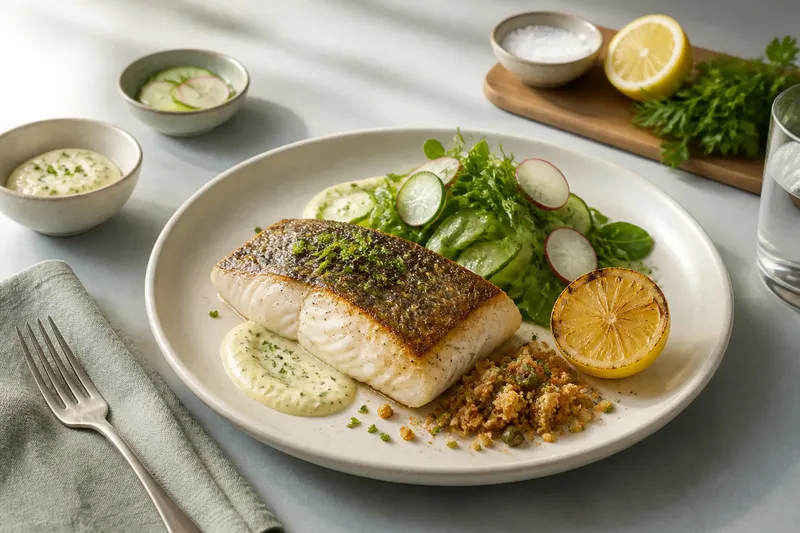
Why does a seafood pairing that sounds right on paper sometimes taste flat, harsh, or simply wrong? The perfect seafood pairing depends on the seafood’s texture and intensity, how it is prepared, and what you enjoy eating. If a plate feels unbalanced, diagnose the food in front of you before reaching for a new rule.
Read the mismatch
A useful pairing can echo a flavor, soften a strong note, add contrast, or give a rich bite freshness. The same ingredient may play different roles with different seafood. Lemon can sharpen fried fish, while a squeeze over delicate white fish may make its mild flavor seem thinner.
Think of pairing like choosing a chair for a table: the pieces need to work together, but they do not have to match. Creamy sauce beside crisp fish can be appealing because the textures differ. Two delicate, soft elements may blur together; two forceful ones can compete. Treat the plate as a set of relationships, not a matching game.
Before changing anything, identify what feels off. Is the seafood too mild to register? Does the sauce overpower it? Is every bite soft, oily, or sharp? Naming the imbalance gives you a more useful next move than asking which ingredient is traditionally served with that species.
Pair mild fish thoughtfully
Lean, mild fish can seem lost beside assertive ingredients. A heavy cream sauce, a strongly smoked garnish, or a generous spoonful of hot chili may dominate rather than complement. The issue is usually a difference in intensity, not a forbidden pairing.
Reduce the loudest element first. Serve a vivid sauce on the side, use less of a salty garnish, or choose a bright accompaniment that adds flavor without burying the fish. Parsley, chives, cucumber, and a lightly dressed salad can bring definition without turning the plate into a contest. If you want a stronger sauce, give it a smaller role and let each diner choose how much to add.
Texture matters, too. A crisp coating gives mild fish a clear contrast, while a soft purée can make the whole bite feel quiet. Either can work; decide whether you want the fish to stand out through flavor, texture, or both.
Balance rich seafood
Oily fish, buttery shellfish, and seafood served with a rich sauce can make a meal feel dense. Adding more richness rarely fixes that feeling. The plate may need acidity, crispness, freshness, or a less fatty accompaniment.
Try a little lemon, vinegar, or tart relish, tasting as you go. A crunchy salad, thinly sliced radish, pickled onion, or crisp cabbage can break up a succession of soft bites. The aim is not to erase the seafood’s richness, but to give your palate a different sensation between bites.
Acidity is not the only answer. If sharp flavors make the dish seem sour, choose a fresh herb or crisp vegetable instead. A simple green side can create enough contrast without adding another strong flavor. Choose the adjustment that addresses what you dislike, not the one a pairing chart prescribes.
Keep sauce in balance
A sauce can be delicious on its own and still overwhelm seafood. This often happens when its salt, sweetness, heat, or acidity is more intense than the main ingredient. A strongly flavored seafood preparation may need a quieter sauce; a mild preparation can sometimes carry a more assertive one.
Start with a small taste of seafood without sauce, then try another bite with a little sauce. If the second bite tastes only of sauce, reduce the amount or serve it separately. If the seafood tastes dry or incomplete without it, keep the sauce but balance it with a fresh or mild component.
Consider how the seafood is cooked. A browned surface brings roasted flavors that can stand up to a deeper sauce. Poached or gently steamed seafood usually has a softer profile, so a heavy, smoky sauce may crowd it. These are starting points, not rules: a bold sauce can still be enjoyable with delicate seafood if that is the flavor you want.
Add texture deliberately
Texture can be the missing piece even when the flavors suit each other. Soft fish with mashed potatoes and a smooth sauce may taste pleasant but lack contrast. The same plate can feel more lively with a crisp vegetable, toasted breadcrumbs, or a firm grain alongside it.
Look for one distinct texture rather than adding crunch everywhere. Toasted breadcrumbs can give soft fish a crisp edge; a crisp salad can do the job without changing the seafood itself. If the main preparation is already fried or seared, choose a tender side instead of piling on another crunchy element.
Temperature shapes the experience as well. Warm seafood with a cool, crisp relish creates a clear contrast, while a warm sauce can make the plate feel more unified. Choose based on the texture you want, not on a belief that all seafood needs a particular temperature pairing.
Quiet competing flavors
Smoked, cured, fermented, and heavily seasoned foods can bring depth, but several assertive elements may crowd one another. Smoked fish with a salty cured garnish and a sharp, pungent dressing can leave little room for any one flavor to register.
Pick the element you want to lead, then quiet the others. If the seafood itself is smoked, a mild potato, fresh greens, or plain bread can provide a calmer base. If a pungent sauce is the point, keep the garnish restrained. A plain component can make stronger flavors easier to enjoy.
Pay attention to salt because sauces, cured foods, and seafood may each contribute it. Taste before seasoning the whole dish. If the bite is already salty, add freshness or an unsalted accompaniment rather than another assertive flavor.
Seafood pairing questions?
Should white fish always get lemon?
No. Lemon helps when a dish needs brightness, but it can make an already delicate preparation taste thin or overly sharp. Try a small squeeze on one bite first, or use herbs and a crisp vegetable for freshness with less acidity.
What goes with oily fish?
Oily fish often works well with a crisp, fresh, or tart element that gives the bite contrast. A crunchy salad, cucumber relish, or modest amount of vinegar can help, but a mild grain or vegetable is also a sound choice if you prefer less acidity.
Can seafood and cheese go together?
They can, though the cheese’s salt, richness, and flavor strength matter. A little mild cheese may suit a preparation, while strongly aged cheese can dominate delicate seafood; taste the components together before adding more.
What if guests prefer different pairings?
Keep the seafood and main side straightforward, then offer sauces, citrus, herbs, or pickles separately. Guests can build the balance they like without requiring the cook to predict one shared preference.
Adjust one element
Changing several components at once makes it hard to tell which adjustment helped. Make one small change, taste another bite, and decide whether the problem was flavor intensity, texture, acidity, or richness. Use this quick check to choose what to change:
- Check whether the seafood’s flavor disappears under the sauce. If it does, serve less sauce or put it on the side; if the fish still tastes incomplete, add a little sauce to each bite.
- Check whether the bite feels oily or heavy. If it does, add a crisp vegetable or a little tart relish; if acidity tastes too sharp, choose fresh herbs or cucumber instead.
- Check whether the fish and sides are all soft. If they are, add one crisp element such as toasted breadcrumbs or cabbage; if the seafood is already fried or seared, choose a tender side instead.
- Check whether smoke, salt, heat, or pungency crowds the seafood. If one flavor dominates, reduce that garnish or sauce; if the seafood itself is the strong element, serve it with plain bread, potato, or greens.
- Check whether the bite tastes too mild. If it does, add one vivid sauce or herb in a small amount; if that addition takes over, serve it separately so diners can control each bite.
- Check whether several guests want different levels of acidity or heat. If they do, offer citrus, pickles, and spicy sauce separately; if everyone prefers the same balance, season the shared dish accordingly.
Say you have a mild pan-seared cod fillet with a rich dill cream sauce, and the first bite feels too soft and heavy. Set the sauce aside, add a crisp cucumber salad dressed lightly with vinegar, and taste the cod with the salad. The result to look for is a clearer contrast among the fish, cool cucumber, and creamy sauce. If the plate now feels balanced but the fish seems bare, add a little sauce to the next bite; if it still feels heavy, keep the sauce separate and use less.
When planning a meal, consider the full plate rather than choosing every item in isolation. If the seafood is rich, a crisp or fresh side may be more useful than another rich one. If the seafood is mild, let one accompaniment bring character while keeping the rest restrained. That leaves room for a vivid sauce without making every bite compete.
Choose by the bite
The perfect seafood pairing is the one that makes the bite enjoyable to you, whether that means echoing a flavor or creating contrast. Texture and intensity offer a practical way to troubleshoot, but neither dictates one correct answer. Try a little first, notice what changes, and adjust the part that is actually bothering you.
For a flexible seafood pairing, serve strongly flavored additions separately and keep at least one calm component on the plate. That lets diners tune each bite to their taste while keeping the seafood’s own character in view.